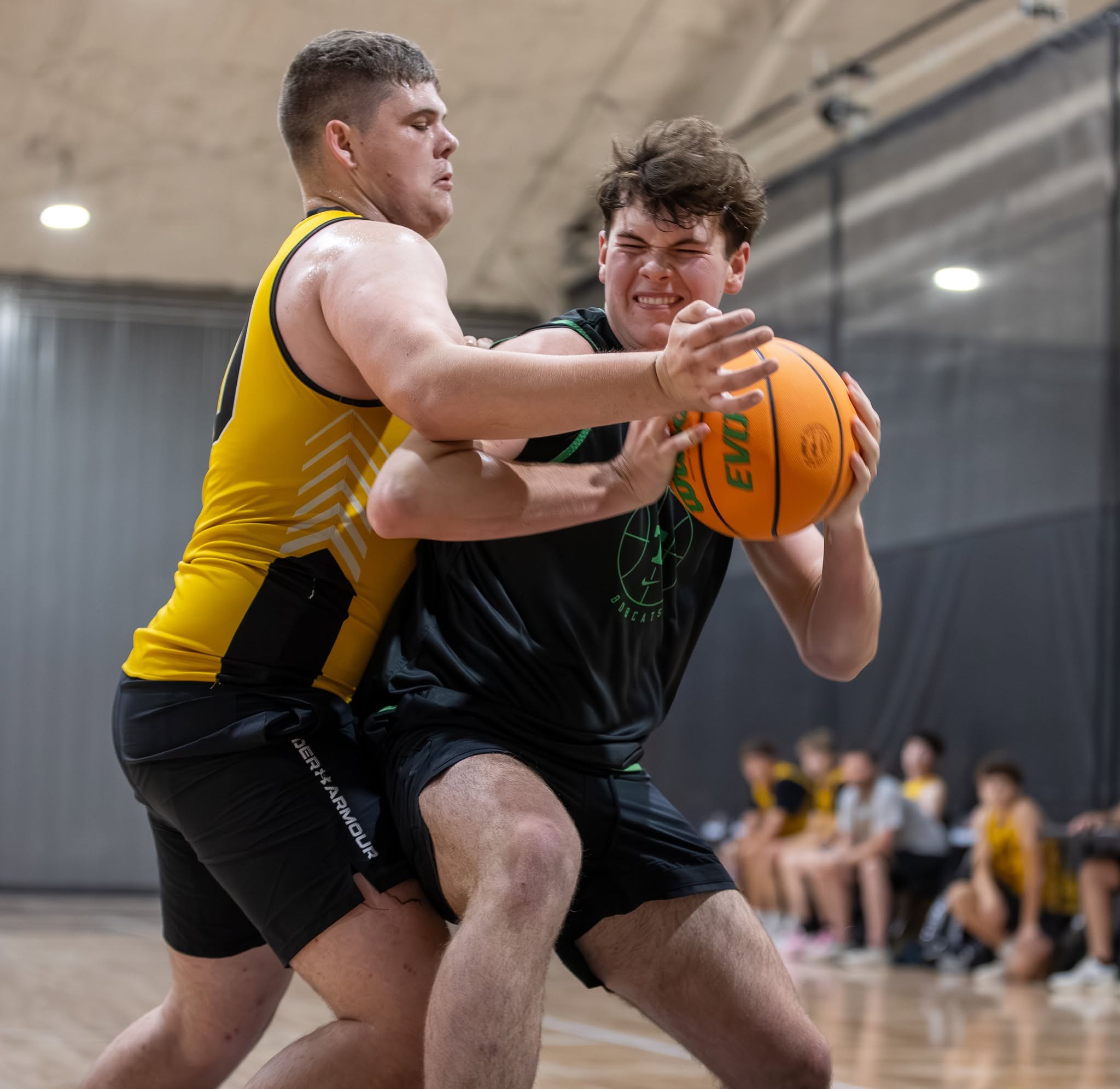
Basketball
Youth and adult leagues, 3v3, camps, skills training, open gym and tournament weekends.
A place to play. A place to compete. A place to gather. Basketball, volleyball, cornhole, pickleball, Wiffle ball, camps, tournaments, concerts and community events.
Leagues, tournaments, open play and pickup opportunities.
Camps, skills clinics, team training and private development.
Concerts, tournaments, expos, shows and community events.
Reserve a court, practice space or the full facility.
| Time | Mon | Tue | Wed | Thu | Fri |
|---|---|---|---|---|---|
| 6–9 AM | Walking | Walking | Walking | Walking | Walking |
| 9–11 AM | Seniors | Adaptive | Homeschool | Adaptive | Seniors |
| 11–2 PM | Pickleball | Pickleball | Pickleball | Pickleball | Pickleball |
| 3–5 PM | Training | Training | Training | Training | Open Gym |
| 5–9 PM | League | League | 3v3 | League / Cornhole | Rotating Event |
Leagues, tournaments, concerts, shows, cornhole, Wiffle ball, inclusive sports and community programming.
All five demo seasons, every league, and all four courts. The monthly ideas below remain an event planning outline.
Year-round leagues, seasonal programs, training, open play and special competition formats built around four courts.
Basketball, 3v3, cornhole, pickleball and adult leagues.
Volleyball, cornhole, basketball training and Unified programming.
Camps, Wiffle ball, 3v3, Fast 4 volleyball and open training.
Volleyball, cornhole, basketball development and preseason leagues.
Youth and adult leagues, 3v3, camps, skills training, open gym and tournament weekends.
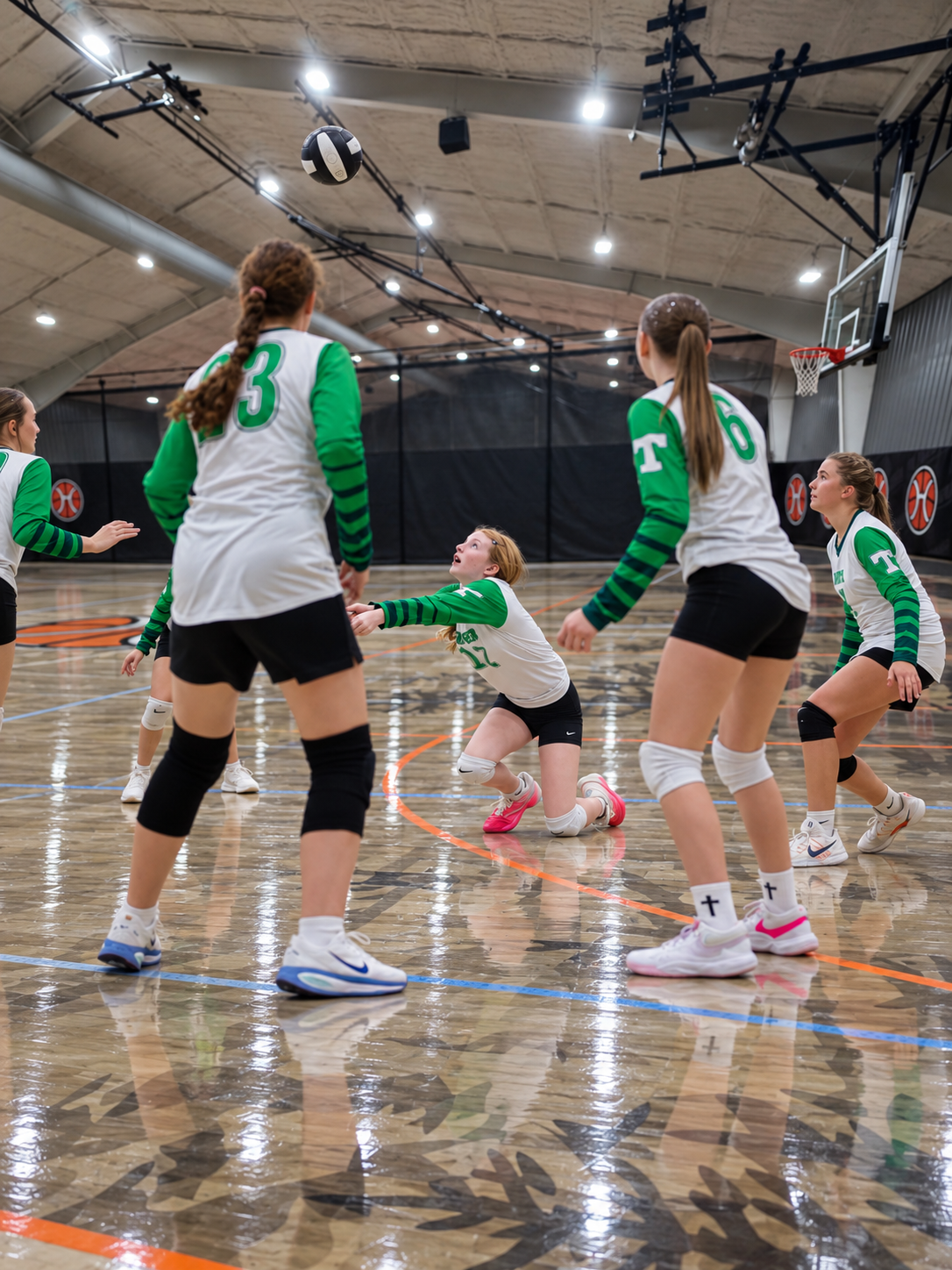
Youth and adult leagues, Fast 4, camps, training and regional tournament weekends.
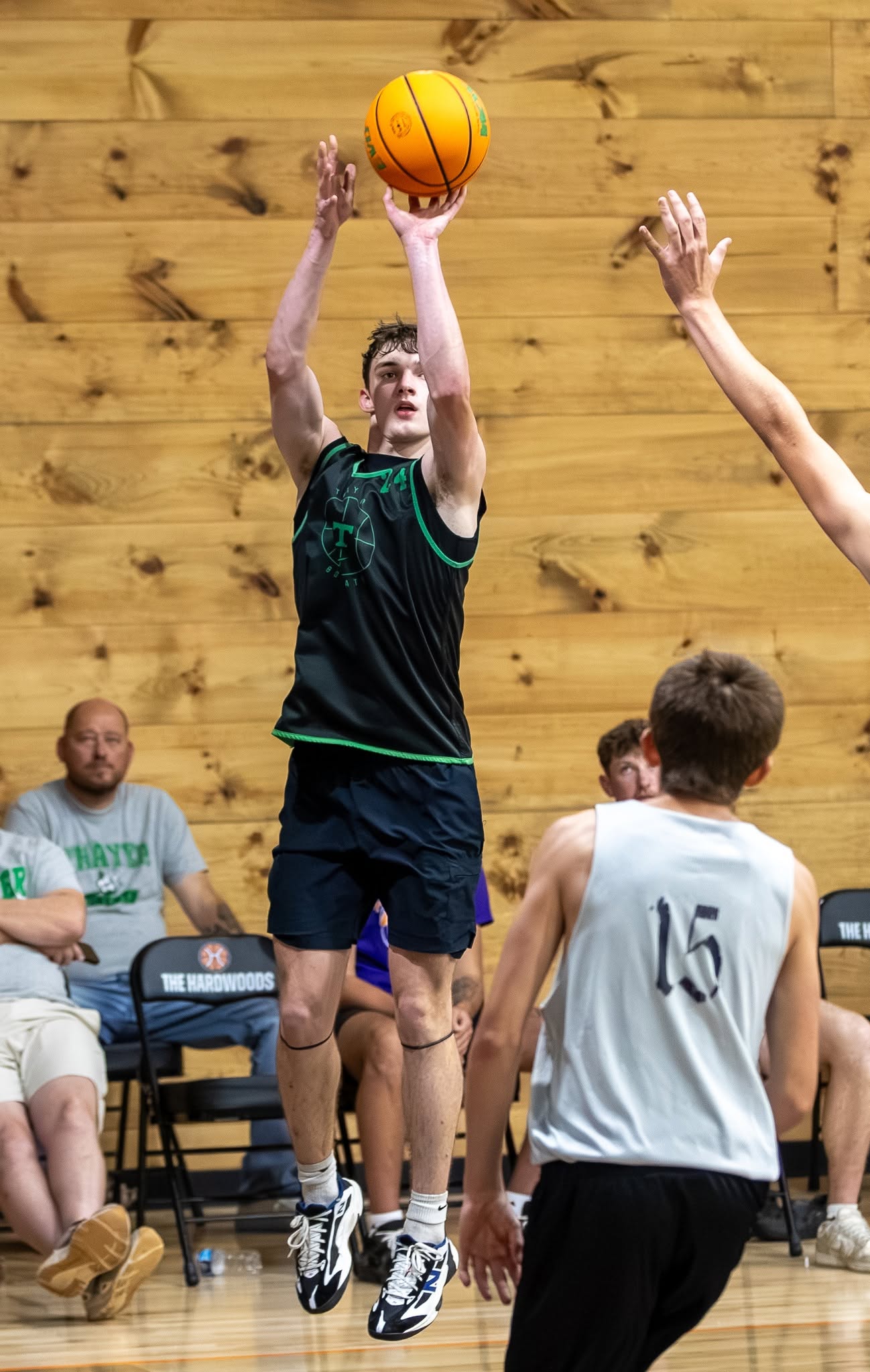
A signature Wednesday-night program with short games, small rosters and frequent competition.
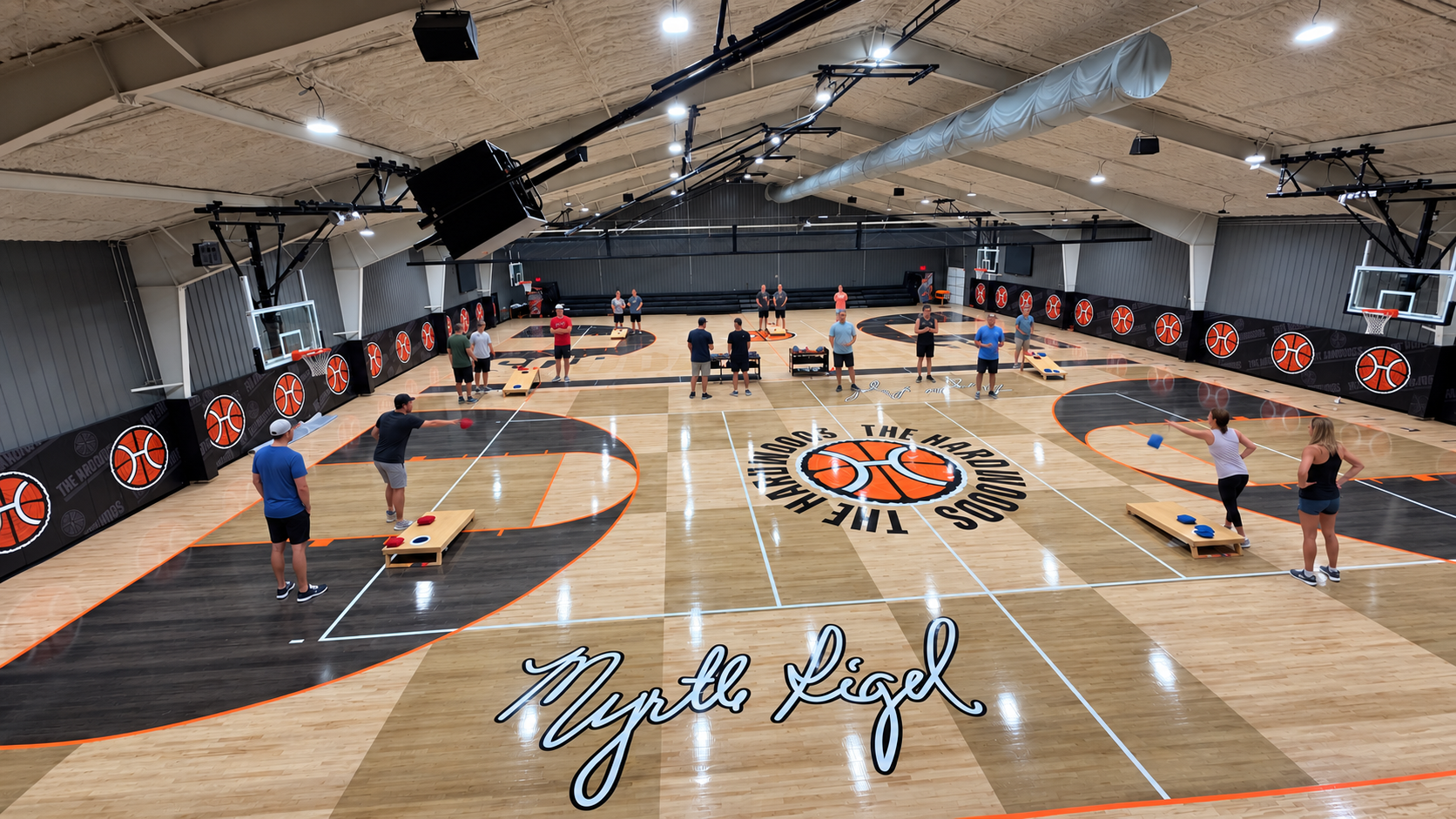
Recurring Thursday-night league play plus seasonal championships and the Hardwoods Cornhole Classic.
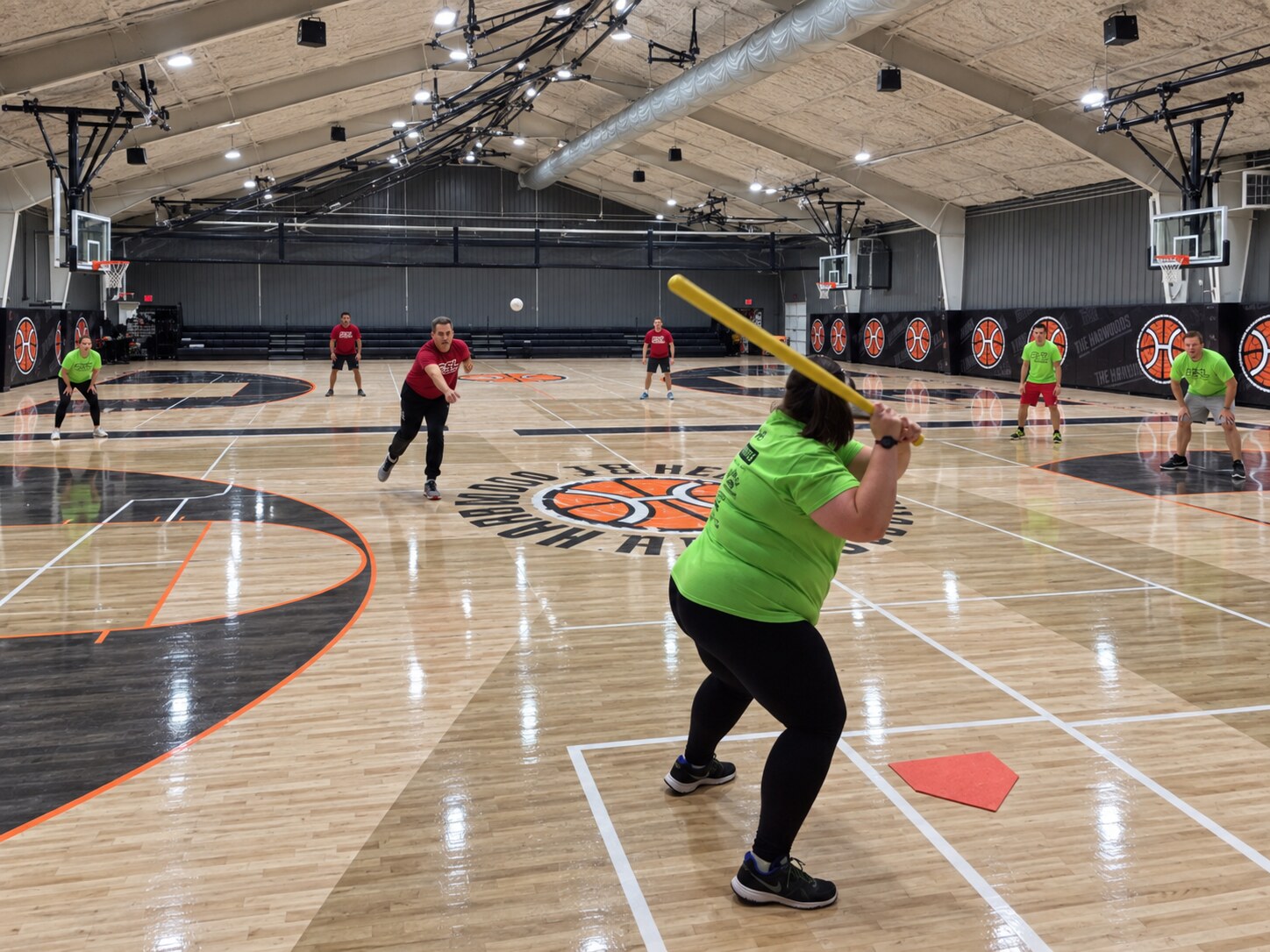
A summer test league designed for youth, family, coed and adult play, plus a fall tournament weekend.
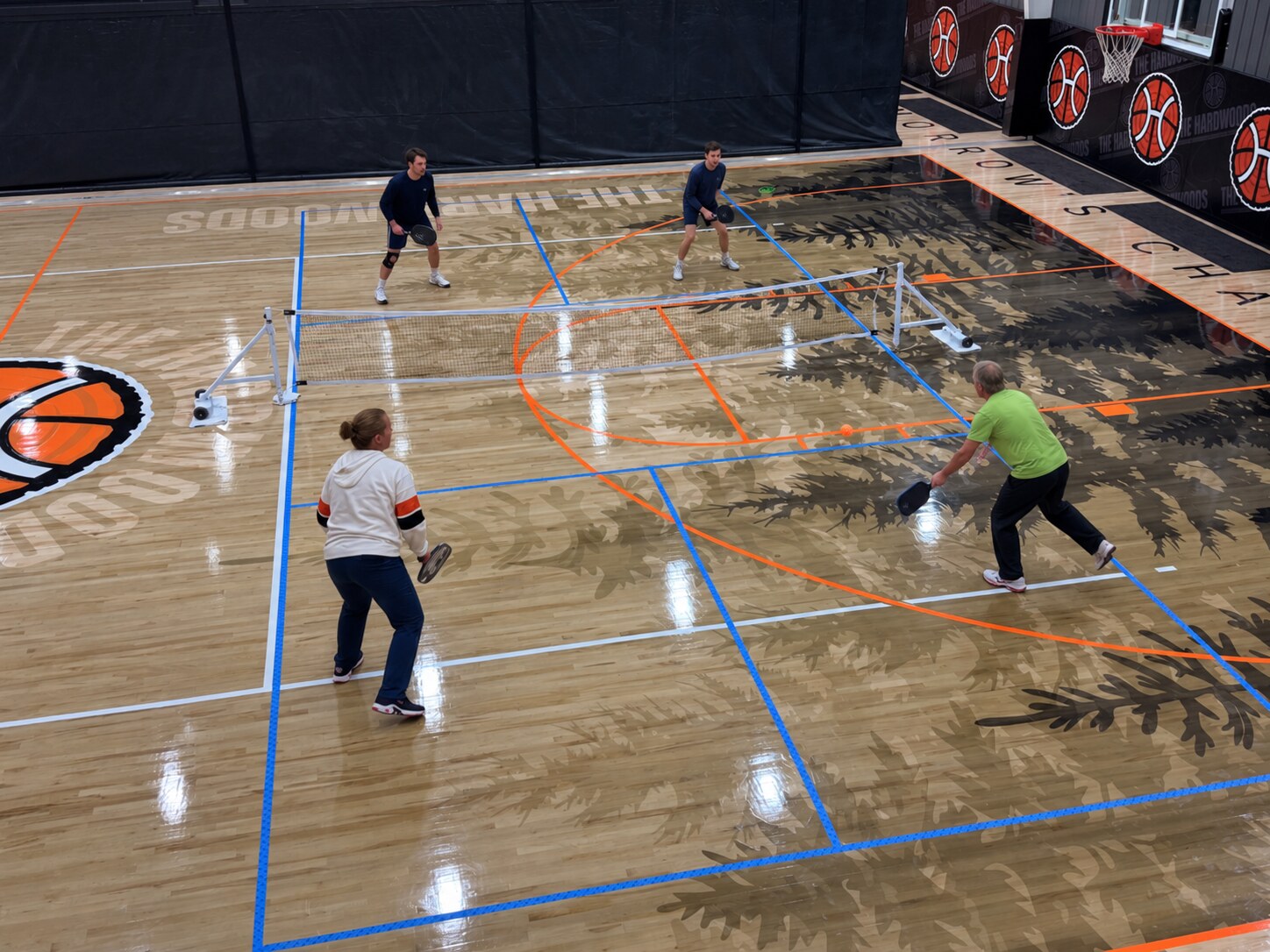
Weekday open play with room to expand into leagues, social divisions and tournament play.
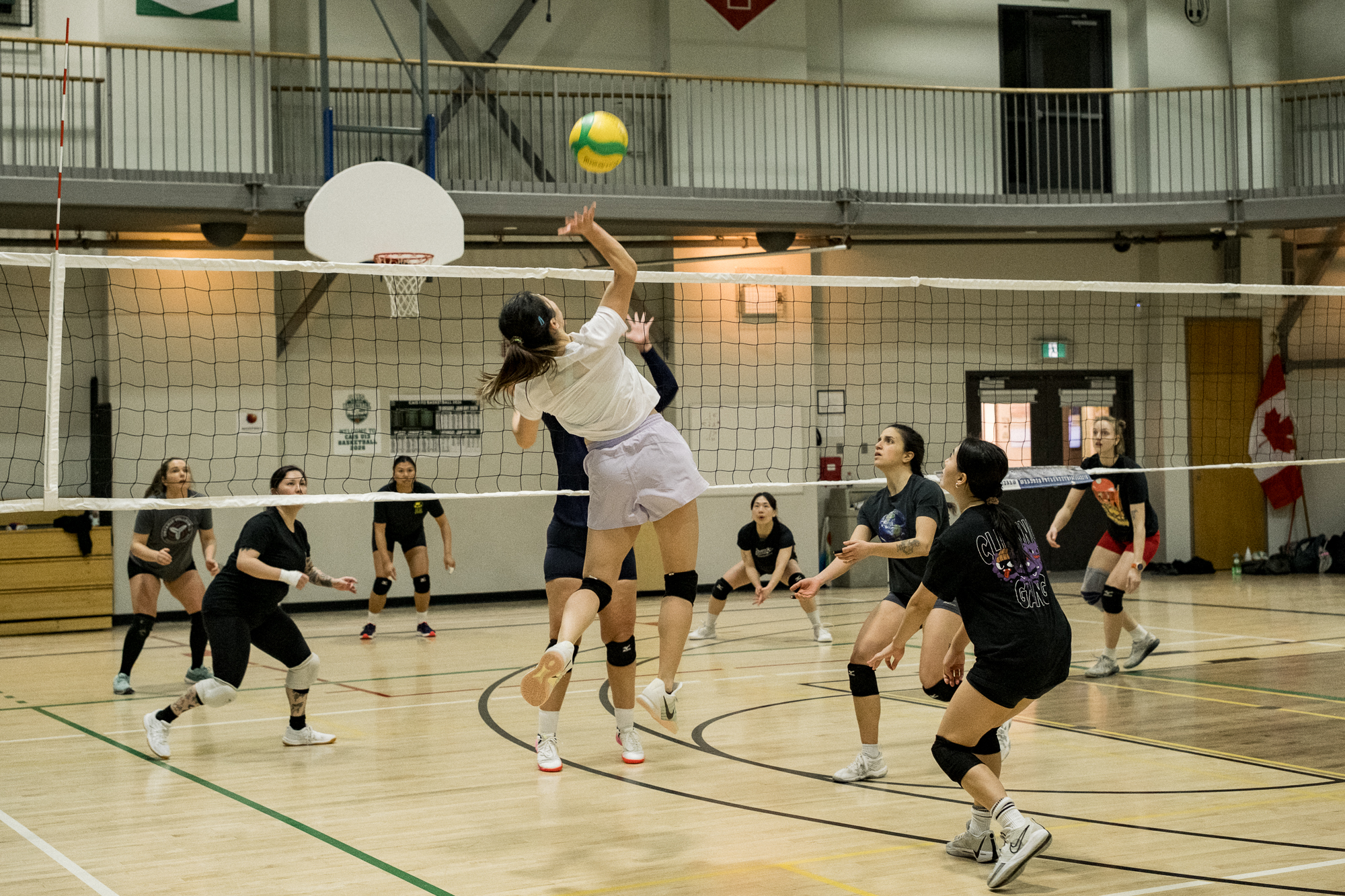
Adult basketball, volleyball and cornhole built into late-evening and seasonal programming.

Basketball and volleyball camps, private development, team training and summer skills programming.

Adaptive recreation, Unified basketball and volleyball, cornhole, pickleball and Special Olympics partnership opportunities.
Concerts, tournaments, expos, shows and community events turn the four-court facility into a regional gathering place.
June anchor event with live music, food, VIP seating and full-building production.
August evening concert paired with the Back-to-School Bash.
3v3, volleyball, cornhole, Wiffle ball, pickleball and skills events in one summer weekend.

Two anchor live-music events with room for an optional Christmas concert or seasonal show.

Winter and fall vendor weekends focused on hunting, fishing, outdoor gear and related exhibitors.
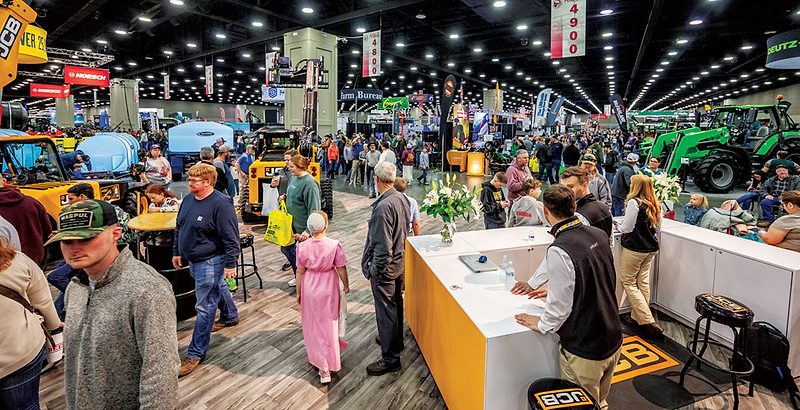
Twice-yearly regional expos built around local business, agriculture, equipment, services and community traffic.

Spring and Christmas markets designed for local makers, gifts, food vendors and family traffic.

Rotating Friday events keep the building active with family, teen and specialty programming.

Basketball, volleyball, cornhole, Wiffle ball and specialty competition weekends throughout the year.
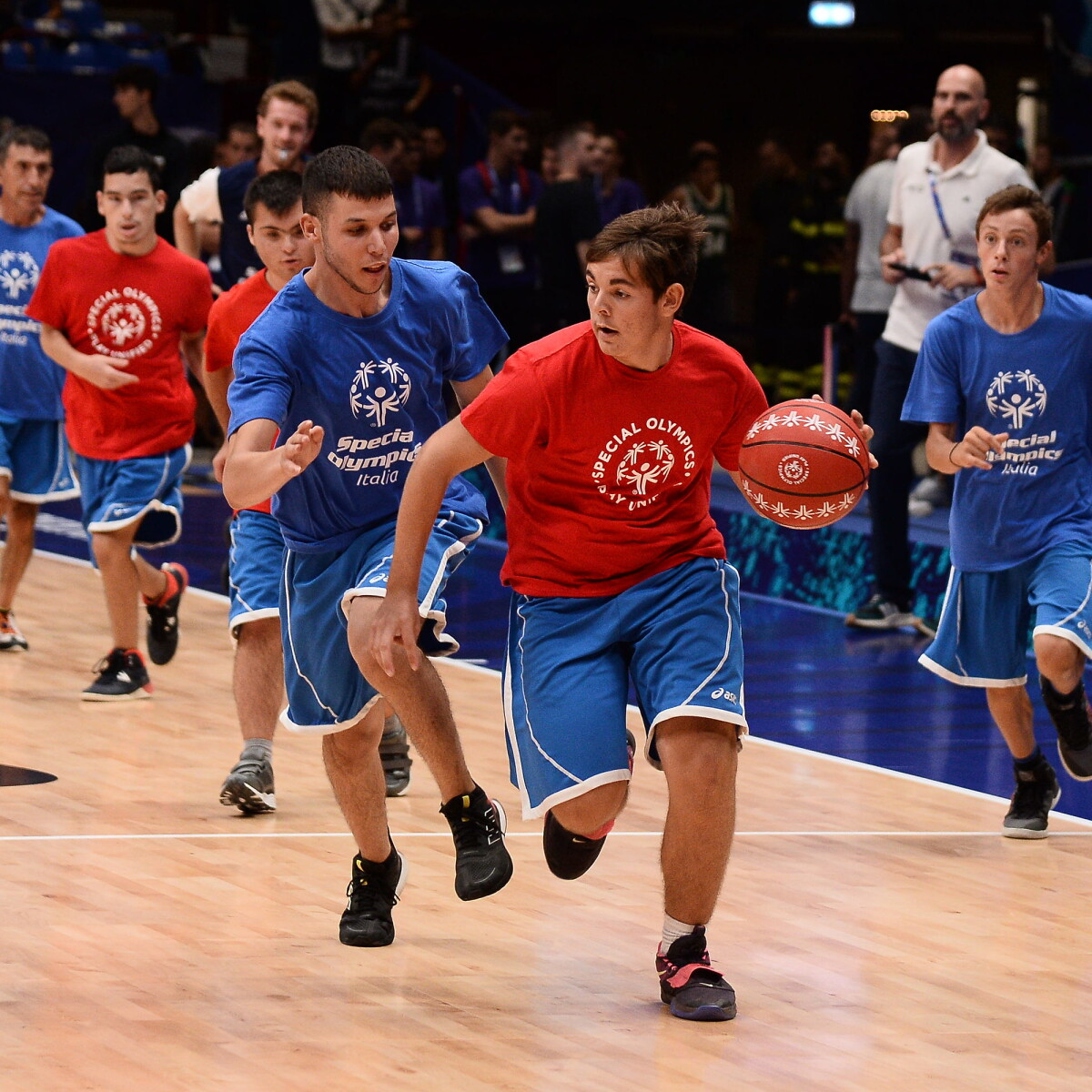
Dedicated adaptive and Unified event dates tied to basketball, volleyball, cornhole and community programming.

A daytime family and registration event that rolls directly into the August End-of-Summer Concert.
An eight-week school-team league for young players, hosted at The Hardwoods.
Team fee: $300 for the full season
Season: Eight weeks
Kindergarten: Coed division
Grades 1–2: Separate boys and girls divisions
Grades 3–4: Separate boys and girls divisions
Registration: One coach registers and pays for the complete team
Team registration: A coach registers an established school or community team for the season.
Roster: The coach receives a roster link for parents to complete player information and waivers.
Competitive balance: Divisions can be split further if registration numbers support recreational and competitive groupings.
Four-court advantage: Multiple age groups can play at the same time, helping keep the schedule compact and predictable for families.
Developmental
Teaching-focused play with modified equipment and limited pressure defense.
Recreational
Modified rules, smaller ball and age-appropriate basket height.
Rec / Competitive
Traditional court setup with more standard game rules and standings.
Competitive
Regulation court setup with high-school-style game flow.
A compact regular season that is long enough to matter without dragging on.
An end-of-season tournament gives every division a clear finish.
Practice blocks are built around after-school and evening hours.
Primary game day keeps weekly scheduling predictable.
The Hardwoods Youth Volleyball League is built for spring and fall play, with age-appropriate divisions, weekday practices, league matches and tournament opportunities inside a four-court facility.
Spring season: April through May
Fall season: September through October
Team fee: $300 for the full eight-week season
Practices: Weekday evenings
Matches: Weeknights and selected Saturdays
Regular season: Eight weeks
Postseason: End-of-season tournament or championship day
Registration: One coach registers and pays for the complete team
Team registration: School, club or community teams can enter as complete rosters.
Individual registration: Players without a team can register individually and be placed when enough players are available.
Skill development: Younger divisions use modified rules so serving, passing and rally development come before pure competition.
Four-court advantage: Multiple divisions can play simultaneously, making it easier to keep matches on predictable nights.
Developmental
Modified serving and shorter match formats with heavy emphasis on learning to pass, serve and rotate.
Recreational
More traditional six-player structure with age-appropriate serving rules and team rotation.
Competitive
Standard six-player volleyball with standings and postseason competition.
Open / Competitive
Optional division if registration supports it, plus Fast 4 and summer play.
A compact season with enough repetition for teams to improve.
Two league windows create more chances to participate throughout the year.
After-school and evening practice times keep the schedule consistent.
Each season ends with a championship day or postseason tournament.
3v3 Wednesday is designed to become one of The Hardwoods' signature recurring programs: short games, frequent touches, compact rosters and multiple divisions running at once.
Primary night: Wednesday
Season: Year-round, with seasonal sessions
Session length: Eight weeks
Team fee: $300 for the full session
Roster: 3–5 players recommended
Game length: Short-format games to keep teams moving
Schedule: Multiple games per team each night when possible
Format: Half-court 3v3 with age-based divisions
With fewer players on the floor, athletes get more possessions, more defensive repetitions and more decision-making opportunities.
It also lets The Hardwoods use court space efficiently. A full basketball court can be divided into multiple 3v3 playing areas, allowing several games to run simultaneously.
Best use: weeknight league sessions, summer competition, tournament add-ons and development-focused play.
Developmental
Simple rules, short games and an emphasis on spacing, passing and confidence.
Recreational / Competitive
Faster games with standings and seasonal championship opportunities.
Competitive
Higher pace, tighter rules and bracket-style postseason play.
Open Division
Optional evening divisions if registration supports them.
More playing time and fewer players standing on the sideline.
Every player handles the ball, defends and makes decisions more often.
Short games let teams play more than once in a night.
3v3 can stay active even when traditional league seasons change.
The Hardwoods Cornhole League is built as a recurring social and competitive program with winter, spring and fall seasons, short weekly matches and a signature summer tournament.
Primary night: Thursday
Seasons: Winter, Spring and Fall
Team format: 2-person teams
Season length: Approximately 8 weeks
Team fee: $300 for the full season
Weekly format: Multiple short matches when scheduling allows
Season finish: Championship night
Cornhole gives The Hardwoods a consistent adult and social program that can run without taking over the entire facility.
Multiple boards can be set up across one or two courts while basketball, volleyball or other programming continues elsewhere.
Best use: Thursday-night leagues, company teams, coed play, senior divisions and weekend tournaments.
Recreational
For newer players and teams primarily looking for a fun weekly league.
Experienced
For stronger teams that want standings, seeding and a more competitive format.
Mixed teams
A flexible division that can become a strong community and couples league.
Optional
Add this division if registration supports a dedicated daytime or evening group.
A consistent weekly identity people can remember.
Winter, spring and fall opportunities keep the league active most of the year.
Easy to organize and accessible for a wide range of players.
A larger July tournament gives the league a signature annual event.
The Hardwoods Wiffle Ball League is designed as a flexible summer program with small rosters, fast games and divisions for youth, families, coed teams and adults.
Primary season: June through July
Primary night: Friday evenings
Team size: 4–6 players
Game length: Approximately 35–45 minutes
League length: Six weeks
Team fee: $225 for the full season
Season finish: Championship night or mini-tournament
Wiffle ball gives The Hardwoods a summer program that feels completely different from basketball and volleyball.
It can run with portable bases, netting, a strike zone and temporary field markings without permanently changing the facility.
Best use: Friday-night leagues, family divisions, adult social play and special weekend tournaments.
Youth Development
Short games, simplified rules and strong emphasis on participation.
Youth Competitive
More traditional game flow with standings and postseason play.
Open Division
Fast, social competition for older teens during summer.
Social League
Flexible division for adults, mixed teams and family groups.
A fun summer identity that can become one of The Hardwoods' most recognizable specialty programs.
Easy to organize with only 4–6 players needed.
Short game times make it possible to run multiple matchups in one evening.
An October tournament keeps Wiffle ball visible after the summer league ends.
Pickleball at The Hardwoods is designed to fill weekday daytime hours with open play first, then grow into skill-based leagues, social divisions and tournament play as participation builds.
Primary time: Weekdays, approximately 11 AM–2 PM
Season: Year-round
Format: Open play first, with league and tournament options added as participation grows
Organized league: Eight-week doubles season
League team fee: $300 for the full eight-week season
Audience: Adults, seniors, beginners and competitive players
Game types: Doubles primarily, with singles available when court space allows
A regulation pickleball court measures 20 feet wide by 44 feet long for both singles and doubles.
The non-volley zone, commonly called the Kitchen, extends 7 feet from the net on each side.
Best use at The Hardwoods: multiple temporary pickleball courts striped or taped across basketball courts with portable nets.
Learn & Play
Basic serving, scoring, positioning and kitchen rules with slower-paced open play.
Recreational
Open doubles play for people who know the basics and want regular games.
Advanced
Faster play, stronger pairings and eventual standings or league nights.
Daytime focus
A dedicated daytime division if participation supports it.
Daytime open play helps keep the courts active outside youth-sports hours.
New players can learn the game before moving into faster groups.
Open play can evolve into beginner, social and competitive divisions.
Once participation is established, The Hardwoods can add doubles tournaments and Unified play.
Adult leagues at The Hardwoods are built around evening play, short seasonal formats and multiple sports so the building stays active beyond youth programming.
Primary times: 7 PM–10:30 PM on selected weeknights
Basketball: Winter season
Volleyball: Spring and Fall
Cornhole: Winter, Spring and Fall
Pickleball: Open play year-round, with adult league options as demand grows
Format: Short seasonal leagues with standings and championship play
Team fee: $300 for each complete eight-week league
The goal is to create adult leagues that are organized, predictable and enjoyable without requiring a travel-team level of commitment.
Short seasons, consistent nights and clear standings make it easier for working adults to participate.
Best use: late-evening court time that would otherwise be difficult to fill.
Winter
5v5 league play with standings, officials and a postseason championship.
Spring / Fall
6v6 league play with coed and open options if registration supports both.
Winter / Spring / Fall
Thursday-night doubles with social and competitive divisions.
Year-round
Open play first, then organized ladder or doubles leagues when participation is strong enough.
Each league should stay on the same weeknight whenever possible.
A consistent eight-week format makes the schedule and full-season team price easy to understand.
Competitive leagues have clear records, seeding and a championship finish.
Adults can stay involved beyond one season by moving between basketball, volleyball, cornhole and pickleball.
Camps and training at The Hardwoods are built to fill after-school and summer hours with basketball, volleyball, team development and skill-specific instruction.
After-school training: Weekdays, approximately 3–5 PM
Summer camps: June through August
Sports: Basketball and volleyball first, with room to add cheer and specialty clinics
Formats: Camps, clinics, private lessons, small-group training and team sessions
Audience: Youth athletes, school teams, club teams and individual players
Training is designed to use court time that sits between school and evening leagues.
Afternoons can support small groups and private sessions, while summer mornings can support larger camps without interfering with evening programming.
Best use: recurring after-school development plus larger seasonal camps.
After school + summer
Shooting, ball-handling, finishing, footwork and game-speed decision making.
After school + summer
Serving, passing, setting, attacking, movement and team-system development.
School / Club
Structured sessions for teams that need court time, drills and organized development.
Individual focus
One-on-one or small-group development for players who want more targeted instruction.
Sessions are built around active repetition rather than long lines and waiting.
Clinics can isolate one skill while camps provide broader development.
After-school training keeps development active outside traditional league seasons.
School and club teams can train together instead of relying only on individual sessions.
Inclusive Sports at The Hardwoods are designed as a permanent part of the calendar, with adaptive recreation, Unified opportunities and room to grow into Special Olympics practices, skills events and regional competition hosting.
Weekday mornings: Adaptive recreation for day-hab, assisted-living and community groups
Sports: Basketball, volleyball, pickleball and cornhole
Unified opportunities: Athletes with and without intellectual disabilities competing together
Special event months: February, May and November
Long-term goal: Become a regular area or regional competition site
Inclusive sports should be part of the regular operating schedule, not just an annual charity event.
The Hardwoods can offer predictable recreation blocks during weekday mornings, then add larger Unified and competition-style events throughout the year.
Four-court advantage: different activities can run at the same time so athletes with different abilities and interests can participate in one event.
Skills + Games
Shooting, dribbling, passing, 3v3 and modified full-court play.
Skills + Team Play
Serving, passing, modified rallies and Unified team formats.
Social + Unified
Beginner-friendly play that can be adjusted for pace and mobility.
Accessible Competition
Low-impact doubles play with social, competitive and future Unified divisions.
Court 1: Full-court basketball games
Court 2: Unified basketball or volleyball
Court 3: 3v3 and modified games
Court 4: Individual skills, pickleball or cornhole
This setup lets athletes with different abilities participate at the same event without forcing every program into one format.
Recurring weekday recreation and activity blocks.
Low-impact recreation, social activity and adapted games.
Unified partnerships, volunteers and student participation.
Future practices, skills events and possible area or regional competitions.
The Hardwoods concert plan is built around two major anchor events each year, with room for a third seasonal show once the format is proven.
Summer Concert: June
End-of-Summer Concert: August
Optional seasonal show: December
Format: Full-building conversion from sports facility to live-event venue
Audience: Regional families, adults, community groups and visitors
The Hardwoods can shift from sports use to concert use with floor seating, bleacher seating, a stage area, sponsor zones, food service and controlled entry.
Possible layout: stage at one end, floor seating or standing room in the center, bleachers around the perimeter, and VIP seating near the stage.
Best use: country, gospel, Christian, regional touring acts, local support acts and family-oriented entertainment.
June
Primary summer concert with local opener, supporting artist, headliner, food and sponsor areas.
August
Evening concert paired with the Back-to-School Bash for a full-day community event.
Optional December
Potential gospel, country Christmas, choir or family holiday show after the first two concerts are evaluated.
Enough to create excitement without oversaturating the market.
The facility shifts from sports to entertainment for a true venue experience.
The August concert connects directly to the Back-to-School Bash.
December stays optional until the first two events prove demand.
The Hardwoods Gun & Outdoor Show is planned as a winter and fall vendor event built around hunting, fishing, outdoor equipment, local businesses and regional traffic.
Winter show: January
Fall show: November
Format: Multi-court vendor show with wide aisles and clearly marked exhibitor zones
Audience: Hunters, anglers, outdoor enthusiasts, families and local shoppers
Facility use: All four courts available for booths, demonstrations and sponsor areas
The event should be marketed as a full outdoor show rather than relying on one category of vendor.
That gives us room for hunting, fishing, archery, outdoor apparel, guides, farm and land services, taxidermy, trailers, ATVs, camping gear and local businesses.
Goal: make it appealing to an entire family and to exhibitors beyond the firearms category.
Hunting gear, calls, blinds, optics, clothing and related services.
Tackle, rods, boats, guides, bait, apparel and local fishing businesses.
ATVs, trailers, camping equipment, tools and outdoor-lifestyle products.
Taxidermists, guides, land services, outfitters, conservation groups and sponsors.
Vendor load-in, booth setup and final facility inspection.
Primary public day with the longest hours and highest vendor traffic.
Shorter public day followed by vendor load-out and floor conversion.
January and November keep the event spaced out and seasonally relevant.
The Hardwoods Farm & Business Expo is planned as a twice-yearly regional showcase for agriculture, equipment, contractors, service companies, local businesses and community organizations.
Spring Expo: March
Fall Expo: September
Format: Full four-court exhibitor floor
Audience: Farmers, landowners, homeowners, contractors, business owners and families
Goal: create one place where regional businesses can be seen by a broad local audience
Four courts give the expo enough room for a strong vendor mix without making the event feel cramped.
The Hardwoods can separate large-equipment and agriculture exhibitors from service businesses, community organizations and smaller vendors while keeping everything under one roof.
Best use: one major spring show and one major fall show, spaced far enough apart to keep each event meaningful.
Farm equipment, feed, seed, fencing, livestock services, ag technology and farm suppliers.
Builders, HVAC, roofing, flooring, excavation, concrete, plumbing, electrical and home improvement.
Banks, lenders, insurance, accounting, real estate, marketing, legal and professional services.
Retail businesses, healthcare, nonprofits, schools, civic groups, local products and community organizations.
Vendor load-in, booth setup and sponsor installation.
Main public day with demonstrations, vendor traffic and community programming.
Optional shorter second day or business networking block, followed by load-out.
March and September create a spring and fall rhythm without overloading the calendar.
The Hardwoods Craft Markets are designed as family-friendly spring and holiday events featuring local makers, small businesses, food vendors and seasonal shopping.
Spring Craft Show: April
Christmas Craft Market: December
Format: Multi-court vendor market with wide aisles and a family-friendly layout
Audience: Families, gift shoppers, local residents and regional visitors
Vendor mix: Handmade goods, boutique items, food products, gifts and local small businesses
The best version of this event feels festive, organized and easy to browse.
Vendor zones, food areas, seasonal decor, music and family activities can make the event feel like a destination instead of a basic rental hall.
Best use: one spring market and one major holiday market with strong local vendor participation.
Woodwork, pottery, candles, soaps, art, jewelry and handcrafted home decor.
Clothing, accessories, personalized gifts, seasonal items and specialty products.
Baked goods, jams, honey, candy, packaged foods, local farm products and specialty treats.
Local shops and small businesses that fit the event's shopping and gift-focused atmosphere.
Fresh seasonal decor, local makers and family shopping in April.
Holiday shopping, festive decor and gift-focused vendors in December.
Give visitors a reason to stay longer instead of just walking through.
Photo spots, kids' activities and seasonal touches make the market more memorable.
Community Nights are rotating Friday events designed to keep the building active, give families and teens something local to do, and let The Hardwoods test new programming without committing to a full league season.
Primary night: Friday
Frequency: Weekly or selected Fridays depending on the season
Format: Rotating events instead of one fixed program
Audience: Families, teens, youth athletes, adults and community groups
Purpose: Give people a reason to come back even when they are not in a league
Not every visitor wants a full-season commitment. Friday nights give The Hardwoods a lower-commitment way to reach more people.
It also creates a space to test ideas like dodgeball, dunk contests, family competition, teen nights and specialty sports before turning them into larger events.
Best use: 2–4 rotating concepts each month depending on the rest of the event calendar.
Lowered rims for younger athletes, dunk contests, trick shots, music and skills challenges.
Parents vs. kids, free-throw contests, knockout, pickleball, volleyball and open recreation.
Middle-school and high-school open gym, music, contests and supervised social recreation.
Short tournaments, themed nights and age-group or adult divisions.
3-point contest, free throws, serving challenges, shooting games and team competitions.
Drop-in volleyball nights for teens and adults without a full league commitment.
Summer Friday-night games, pickup play or special mini-tournaments.
Inclusive basketball, volleyball, cornhole or pickleball in a community event format.
People can attend one night without signing up for a full season.
We can change concepts based on participation and season.
Friday gives younger visitors and families a strong local entertainment option.
The best Friday concepts can grow into leagues or major events later.
Tournament weekends are built around basketball and volleyball first, with cornhole, Wiffle ball and specialty events added throughout the year.
Basketball: Winter and summer tournament weekends
Volleyball: Spring and fall tournament weekends
Cornhole: Signature summer tournament
Wiffle Ball: Fall tournament weekend
Goal: create destination weekends while preserving enough open weekends for leagues, rentals and community events
Most events can use Friday for team check-in, optional early games or facility setup, then concentrate the largest number of games on Saturday.
Sunday becomes bracket play, championships and awards for larger events.
Best use: keep formats compact enough that teams know exactly when and where they play without spending the entire weekend waiting.
January
Youth basketball tournament to launch the year and introduce teams to the facility.
February
Winter basketball event with multiple age divisions and a full weekend format.
May
Spring volleyball tournament with pool play and bracket competition.
June
Summer basketball event for school, club and travel teams.
July
Multi-sport weekend featuring 3v3, volleyball, cornhole, Wiffle ball and skills competitions.
July
Signature doubles event with social and competitive divisions.
October
Short-format youth, adult, family and coed Wiffle ball competition.
Spring / Fall
Additional tournament weekends can be added if league and club demand supports them.
Optional early games, check-in, team arrival and facility setup.
Highest game volume, pool play and early bracket rounds.
Championship brackets, finals and awards for larger events.
Tournament weekends rotate by sport instead of repeating the same event every month.
The Hardwoods Inclusive & Unified event plan is built around basketball, volleyball, cornhole and pickleball, with recurring annual dates and a long-term goal of becoming a trusted regional host for Special Olympics-related competition.
Inclusive Basketball Day: February
Unified Sports Festival: May
Inclusive Basketball Kickoff: November
Sports: Basketball, volleyball, cornhole and pickleball
Goal: build a recurring regional calendar, not a one-time event
Not every athlete needs the same game format. A four-court facility lets The Hardwoods run full games, 3v3, individual skills and lower-impact activities at the same time.
This makes the event more inclusive without isolating participants into separate days or separate buildings.
Best use: mix competition, skills, social activity and family participation in one event.
February
Basketball-focused event with full-court games, 3v3, Unified play and individual skills stations.
May
Multi-sport day combining basketball, volleyball, cornhole and pickleball.
November
Preseason basketball event with skills, games, volunteer engagement and winter-season preparation.
Long-term goal
Build toward hosting an area or regional competition in partnership with the appropriate organization.
The event should feel welcoming, organized and easy to navigate.
Unified partners, student volunteers and school-team participation.
Recurring partners can transition naturally into larger event days.
Long-term event growth should be coordinated with the appropriate organization.
The Hardwoods Back-to-School Bash is planned as a daytime family event that brings schools, youth organizations, sports registration, food, activities and community partners together before rolling directly into the End-of-Summer Concert.
Month: August
Format: Daytime family event followed by the End-of-Summer Concert
Audience: Families, students, schools, youth groups and community organizations
Purpose: Create a high-energy community day while also driving fall sports registrations and awareness of upcoming Hardwoods programs
Instead of asking families to attend two separate events, the Back-to-School Bash and End-of-Summer Concert can work as one full-day experience.
Daytime programming drives family traffic and sports registration. The concert creates a strong evening finish and gives the entire day a destination feel.
Best use: late summer, just before school and fall sports schedules fully take over.
Schools, clubs and student organizations can share information, activities and upcoming opportunities.
Basketball, volleyball, cornhole, camps and fall programming can all open or promote registration.
Skills contests, open gym, games, inflatables or activity stations depending on the final layout.
Food trucks, concessions, local businesses and community partners can stay active throughout the day.
Districts, clubs, teams and student groups can participate directly.
Churches, clubs, recreation programs and nonprofit groups can connect with families.
Family-focused businesses can sponsor, exhibit or support activities.
Use the event to open fall registration and promote the upcoming calendar.

Choose the way you want to play, attend or reserve. Team sports use one team payment; camps, passes, rentals and events use the payment option that fits the activity.
The coach registers the complete team with one $300 payment covering the full eight-week league season.
One coach or manager registers and pays for the complete team. Every fee covers the league's full published schedule.
A team deposit reserves the spot. The remaining balance is due before the tournament, so unpaid teams do not hold space.
Each athlete registers and pays individually. Payment immediately holds the athlete's spot in the camp, clinic or training session.
Choose a $5 day pass for one calendar day or a $40 monthly pass for 30 consecutive days of public pass hours.
Select an available time, reserve the space and pay in advance. Larger facility rentals may use a deposit with the balance due later.
Spectators purchase tickets while exhibitors reserve and pay for booths through a separate vendor checkout.